ATLAS25
ATLAS25 – So, what’s the plan?
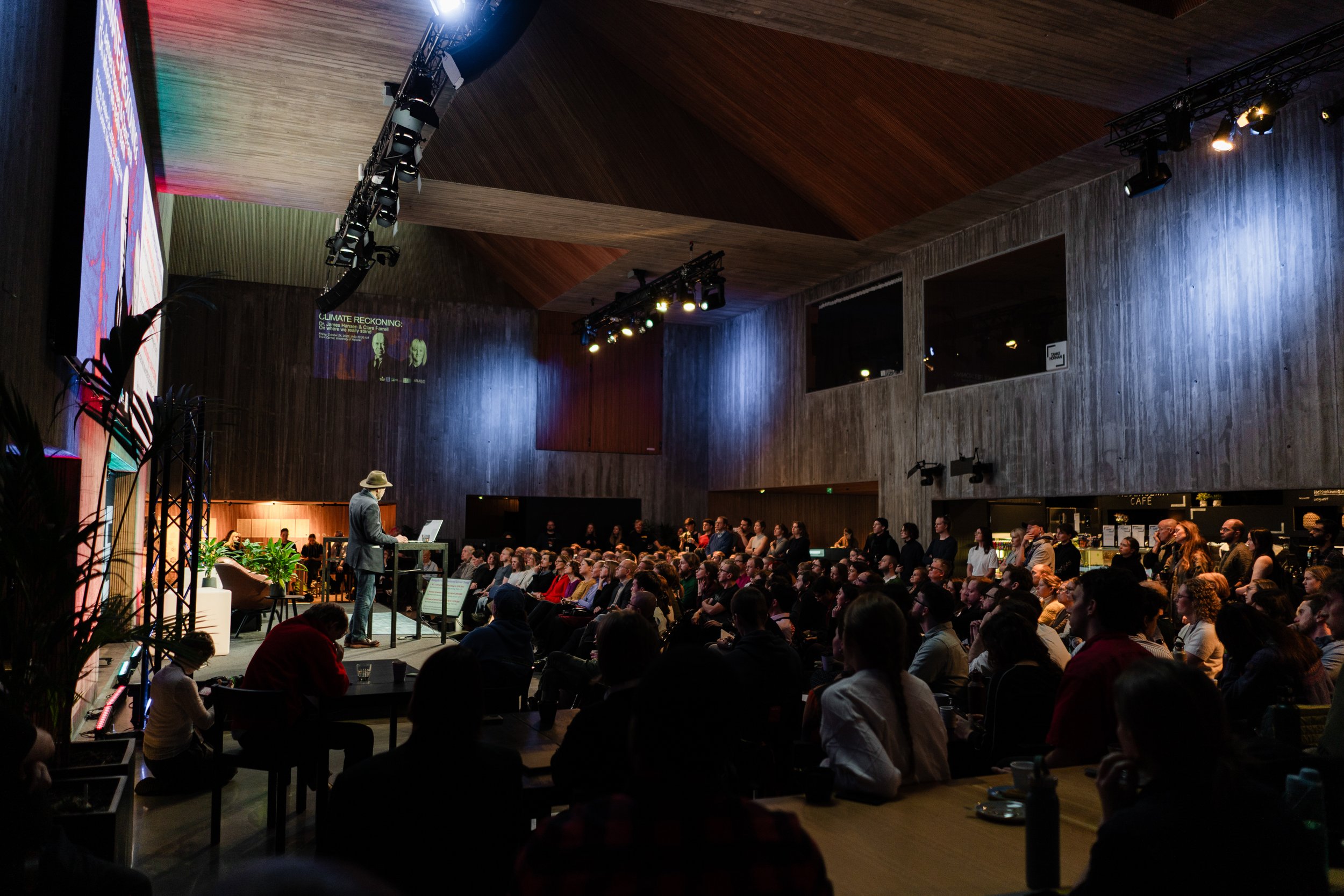
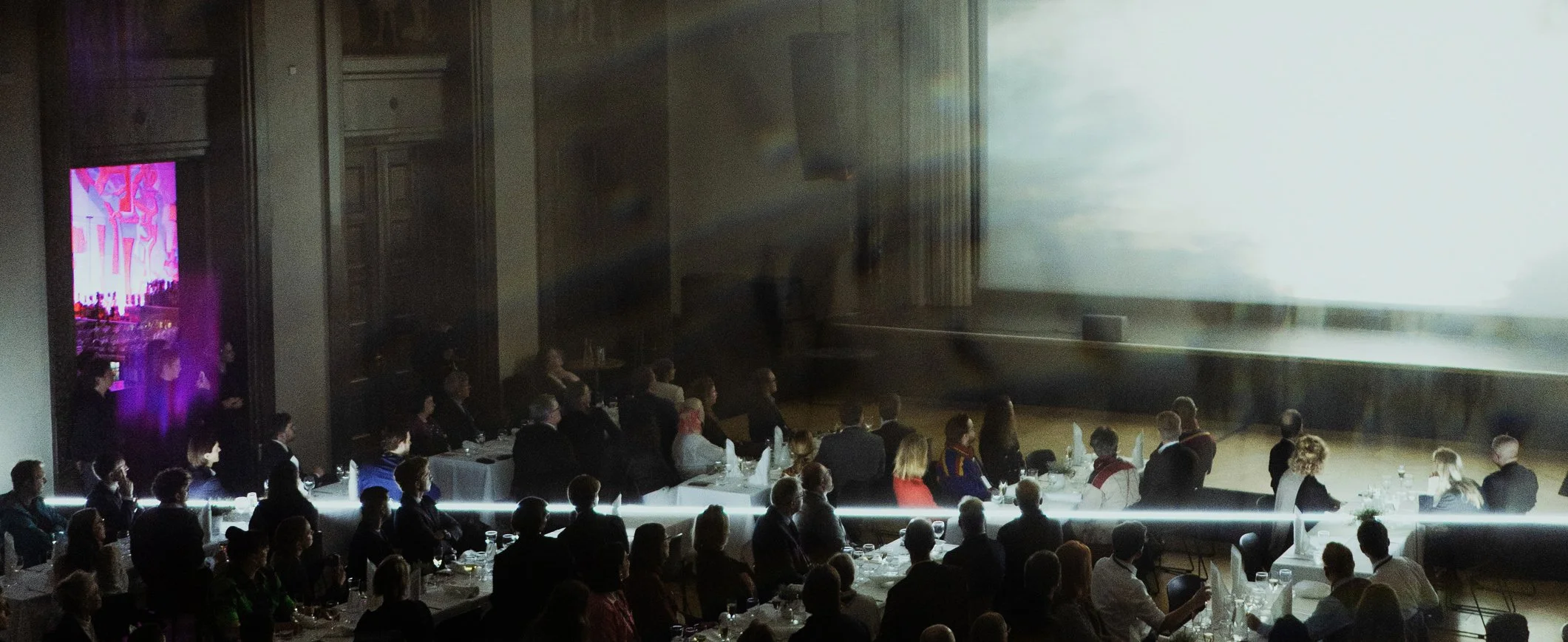
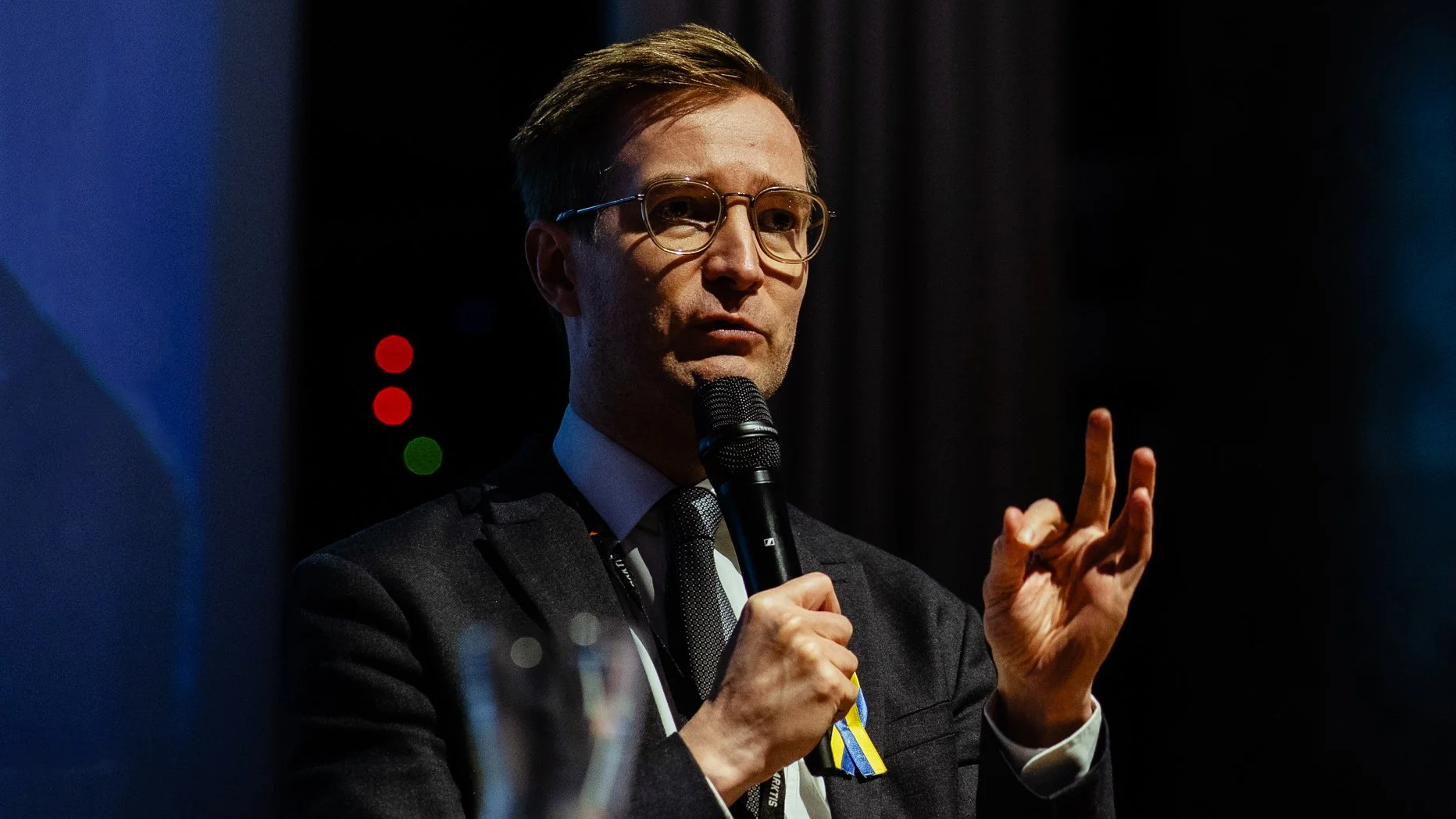
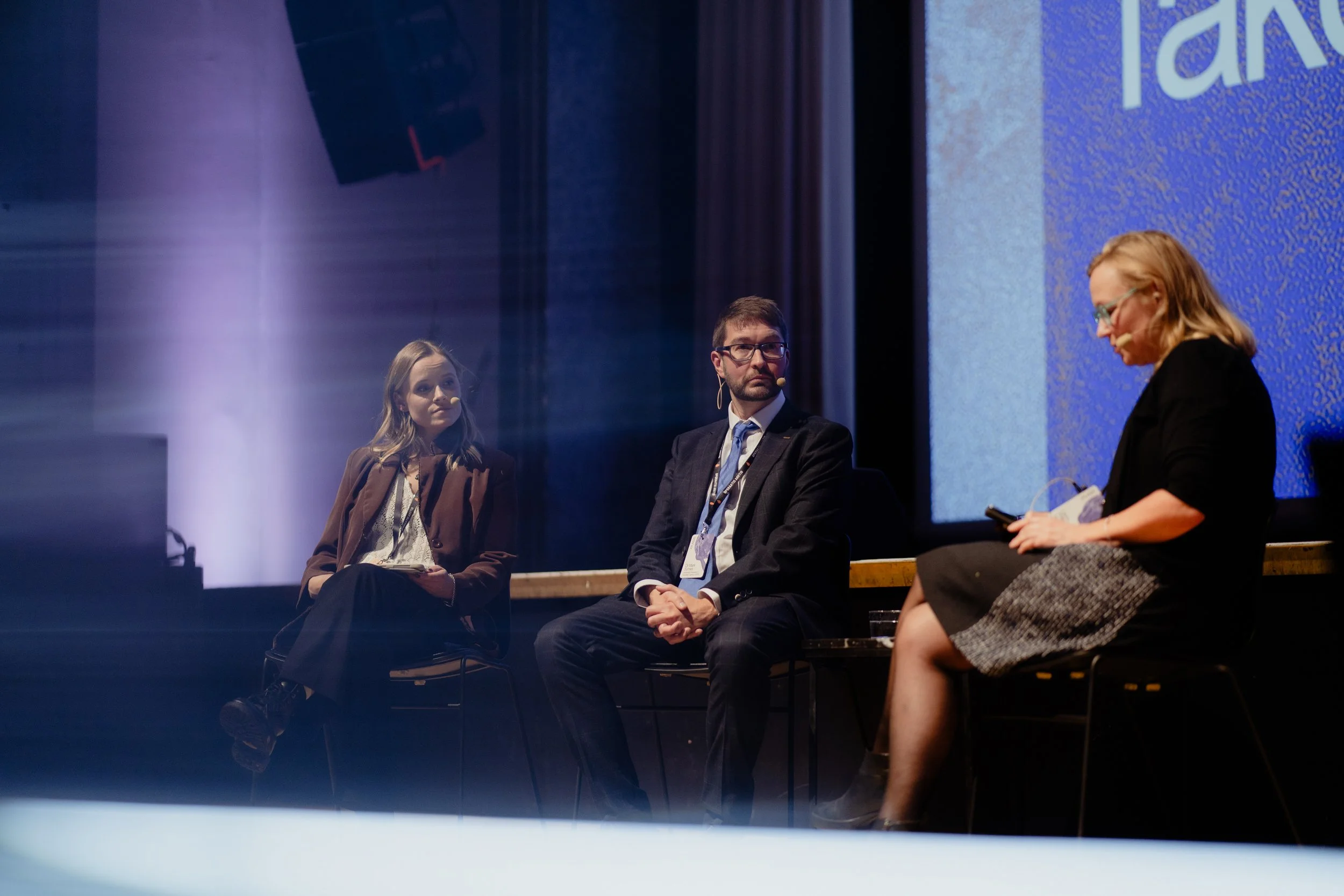
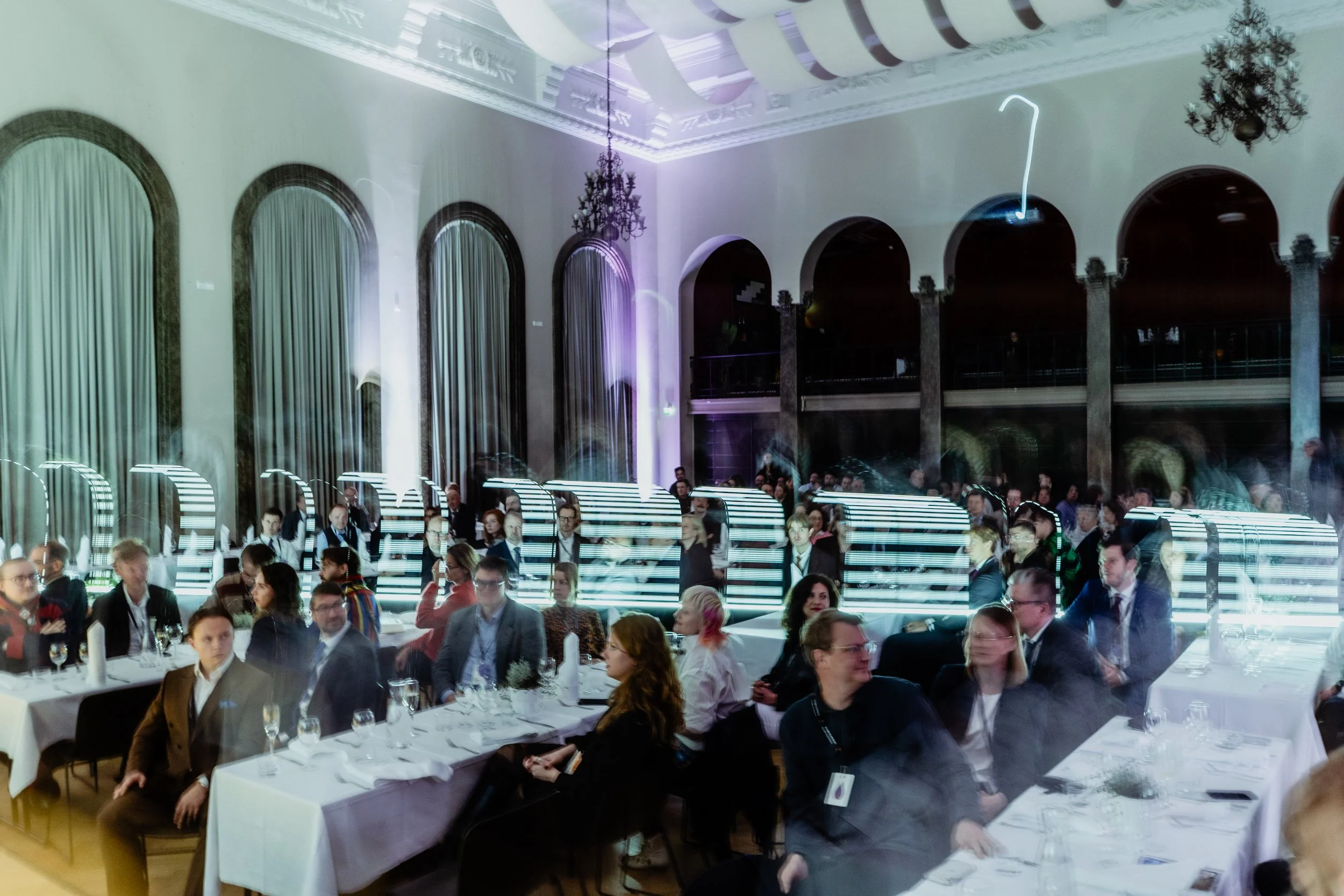
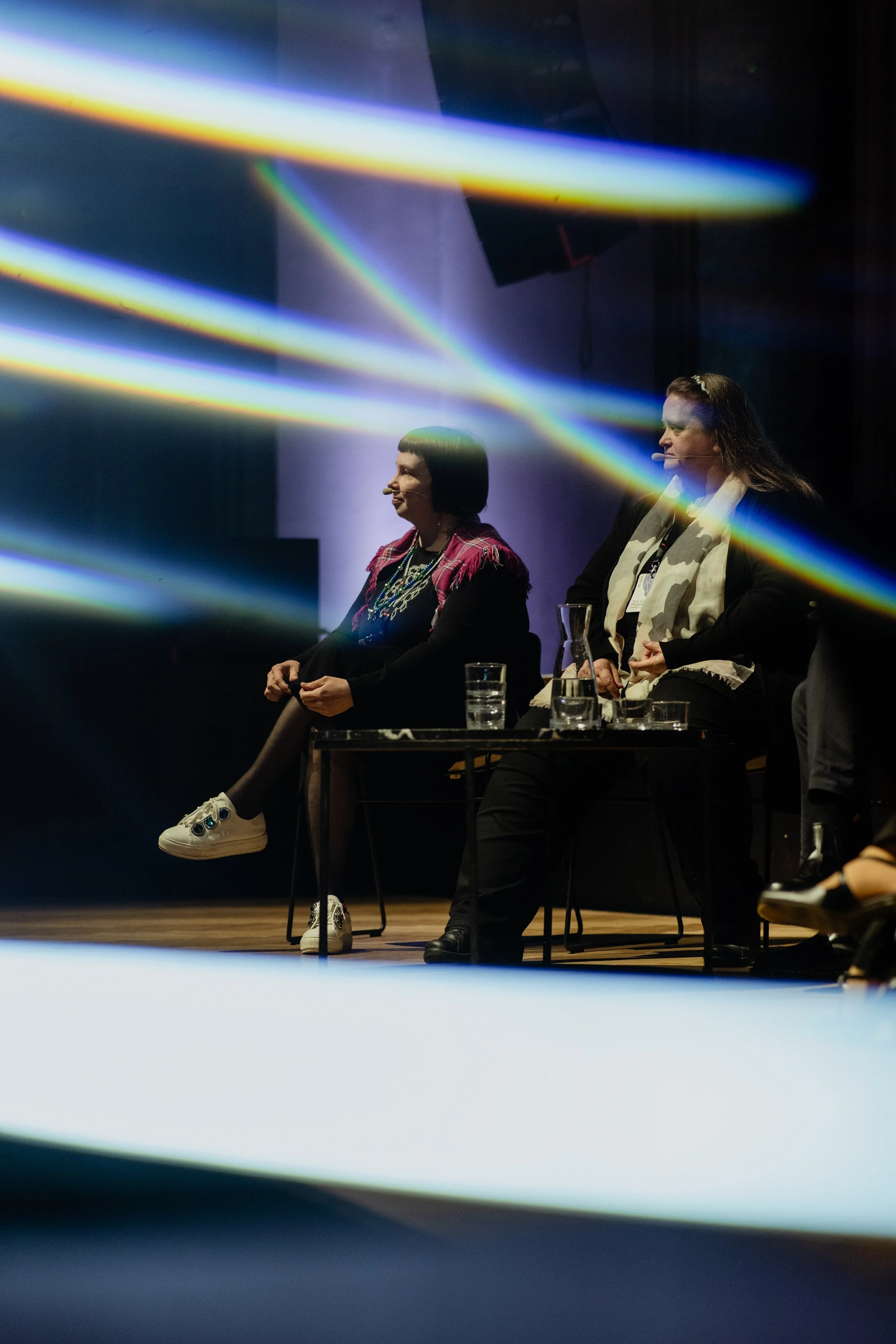
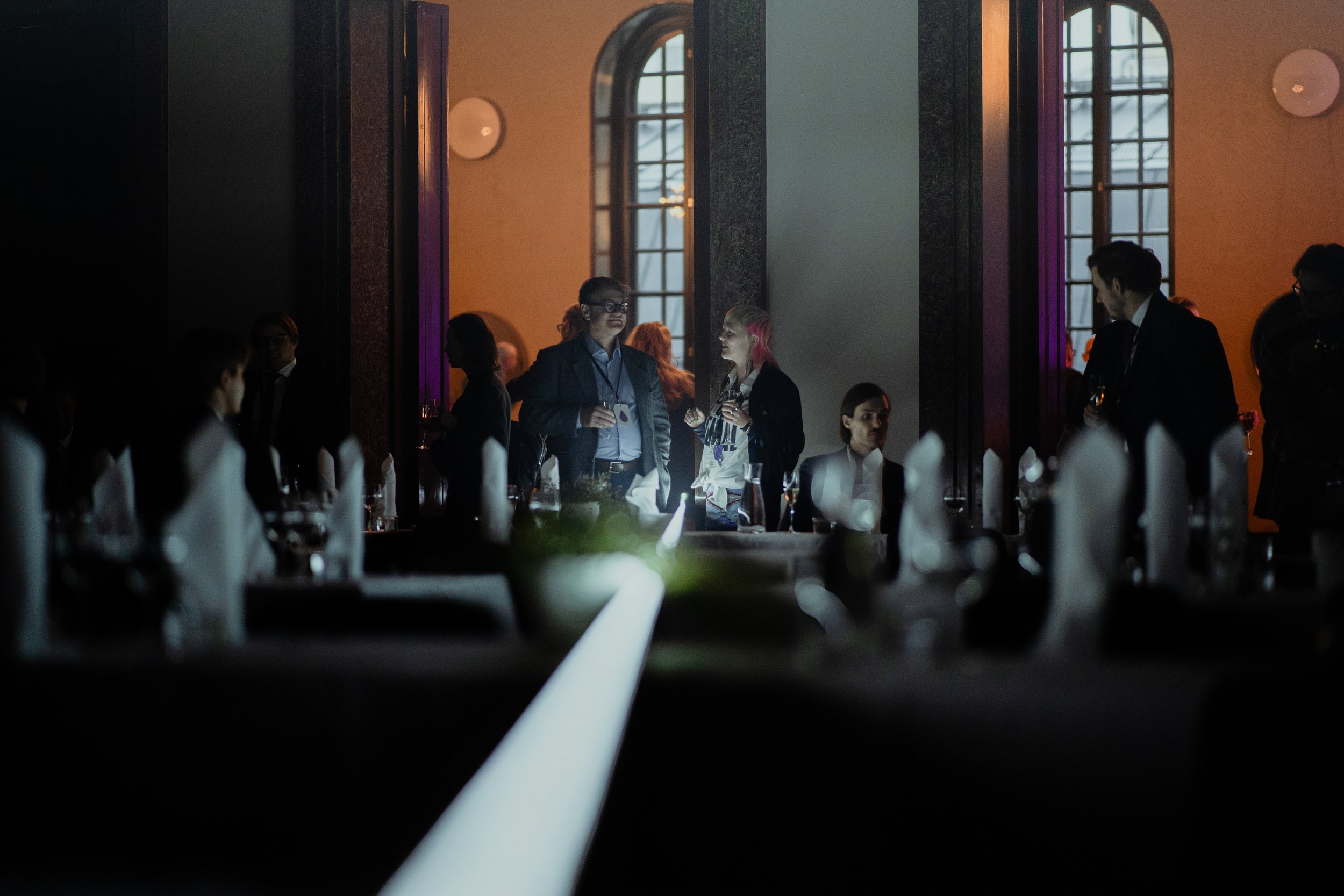
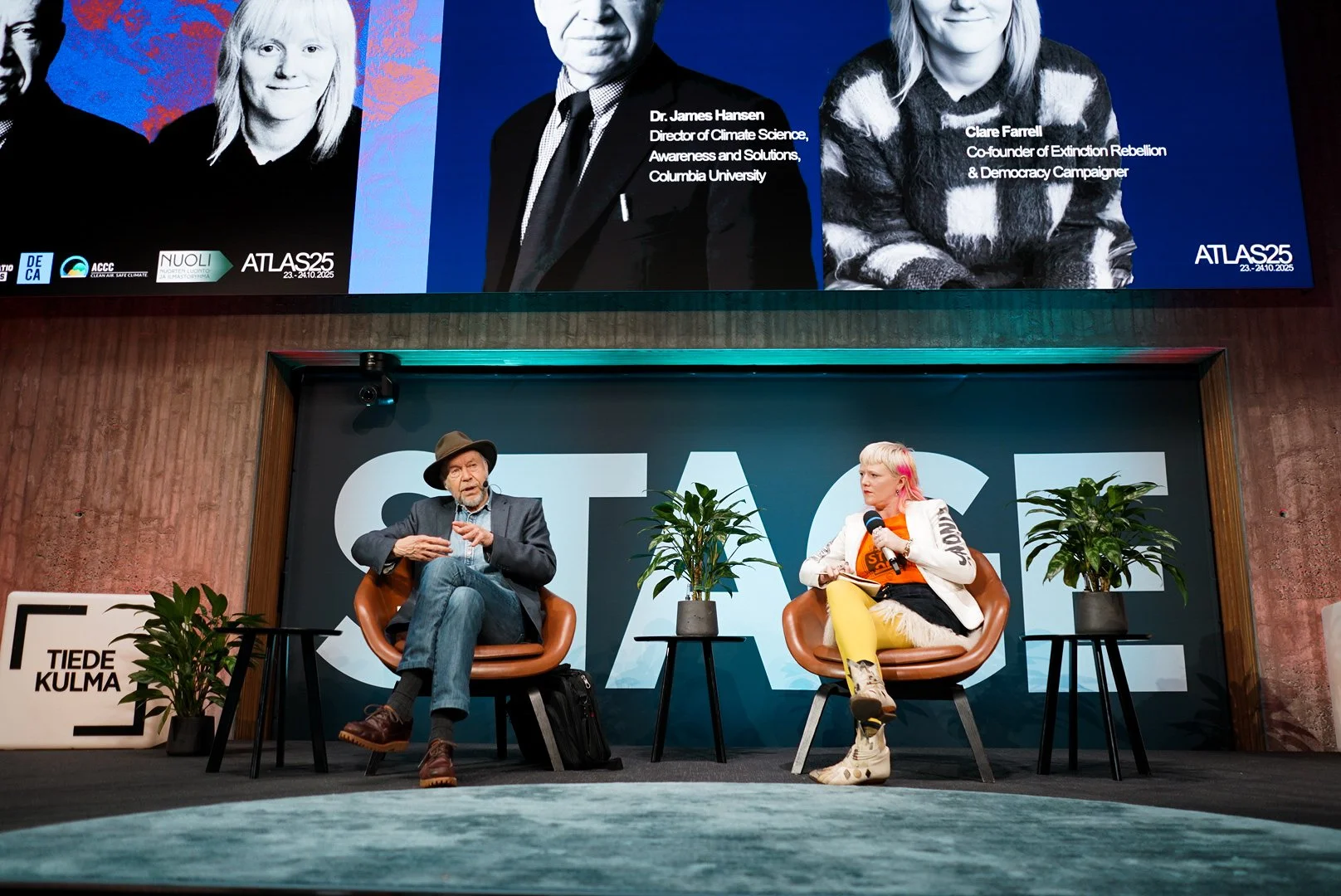
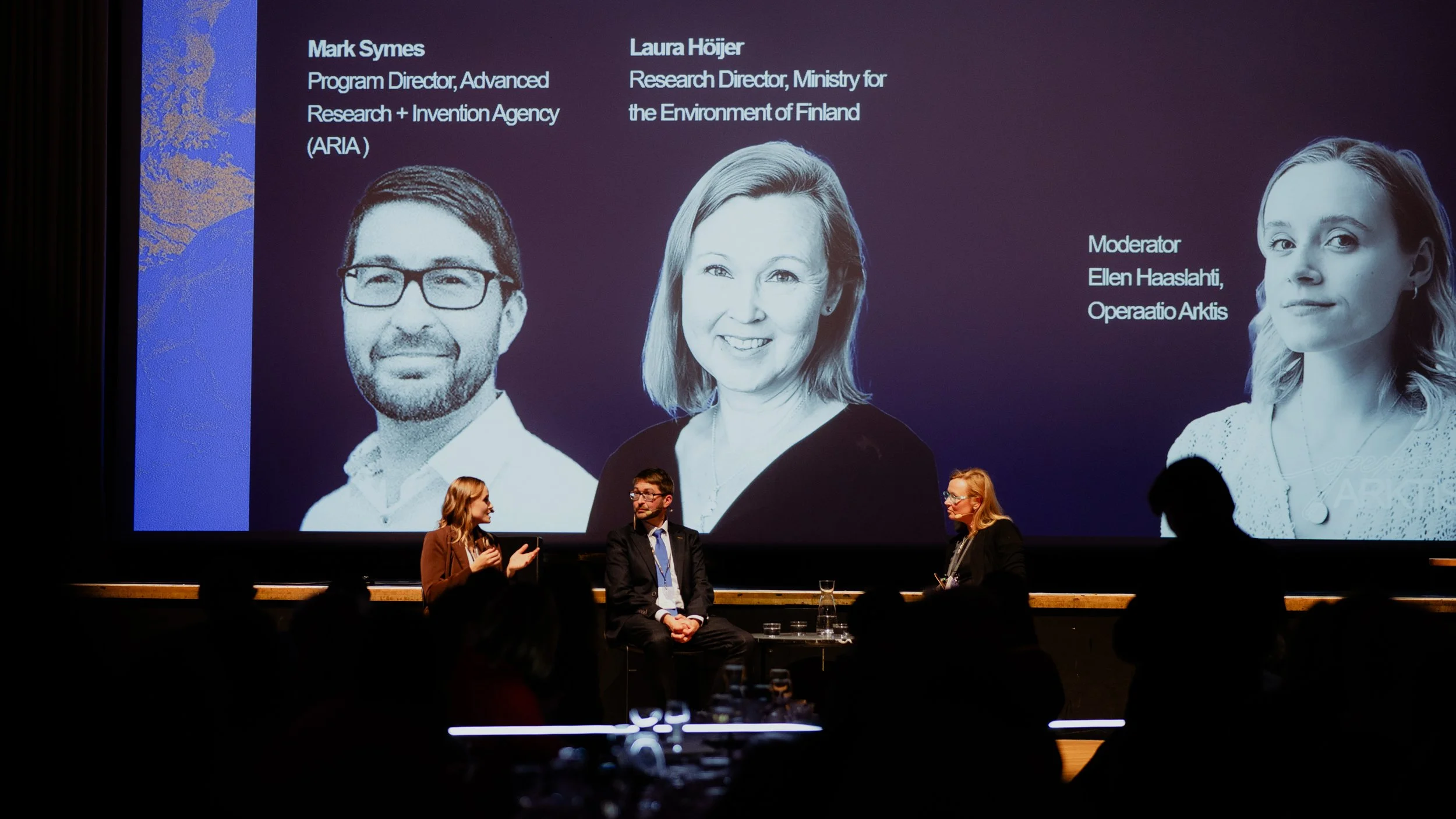
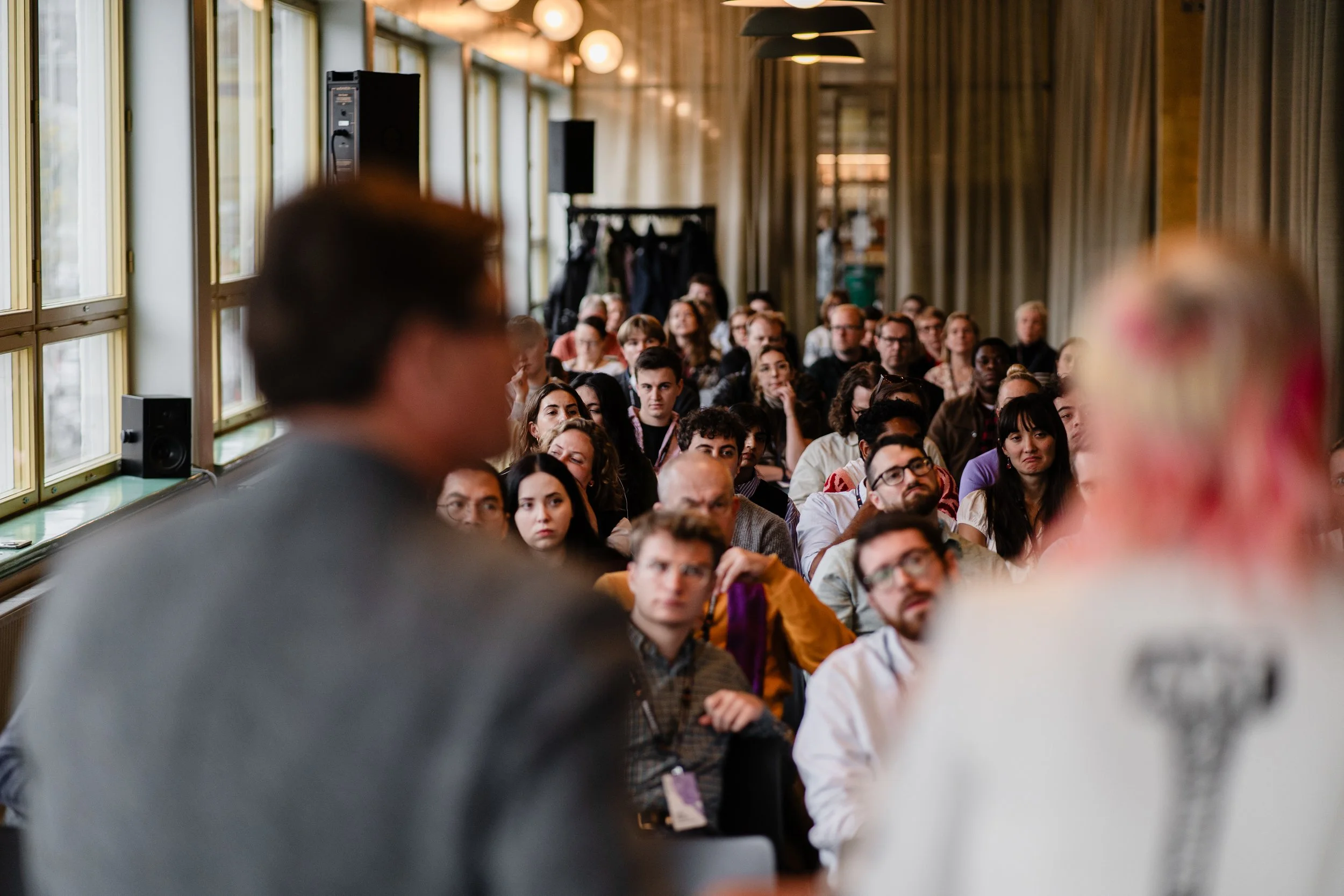
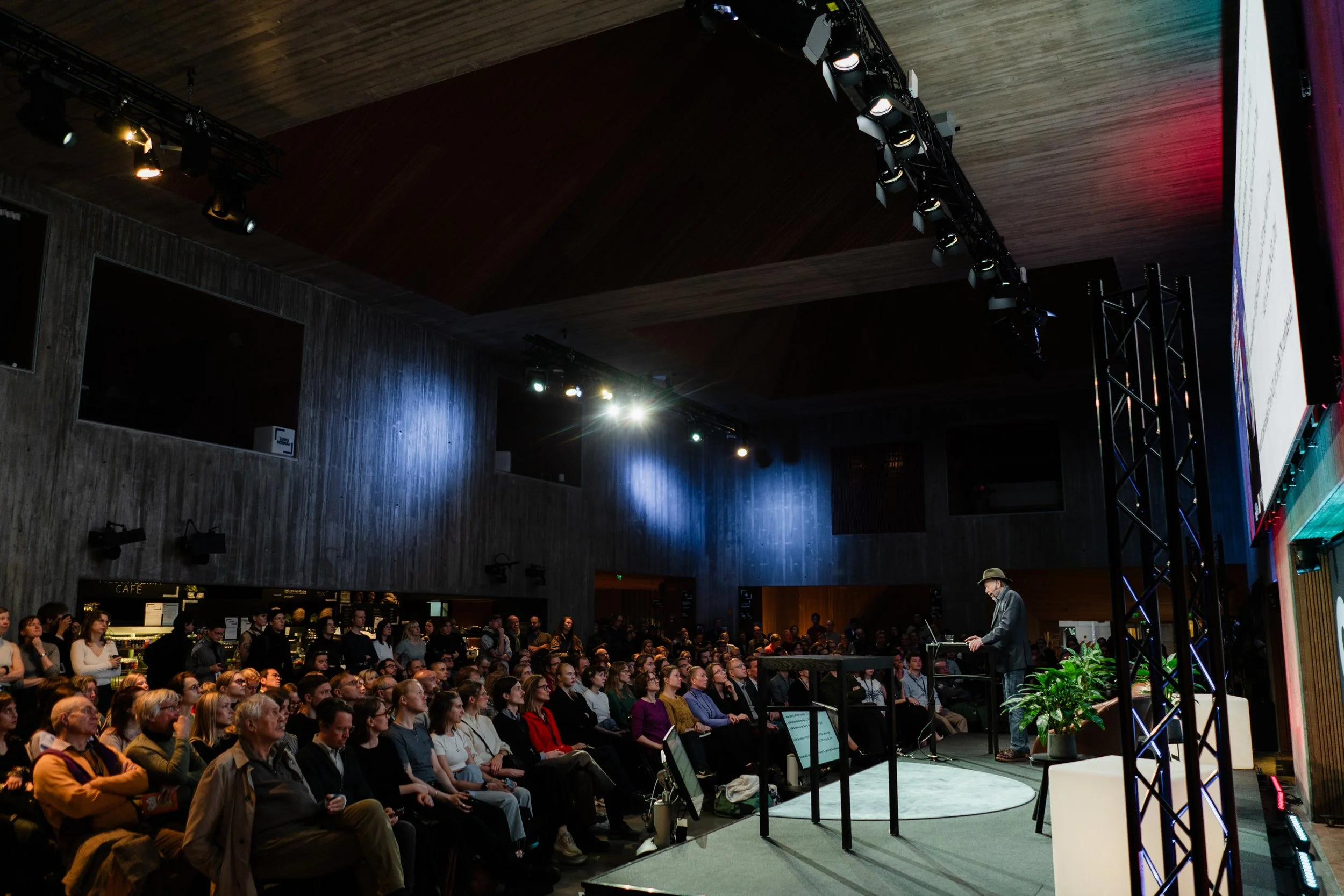
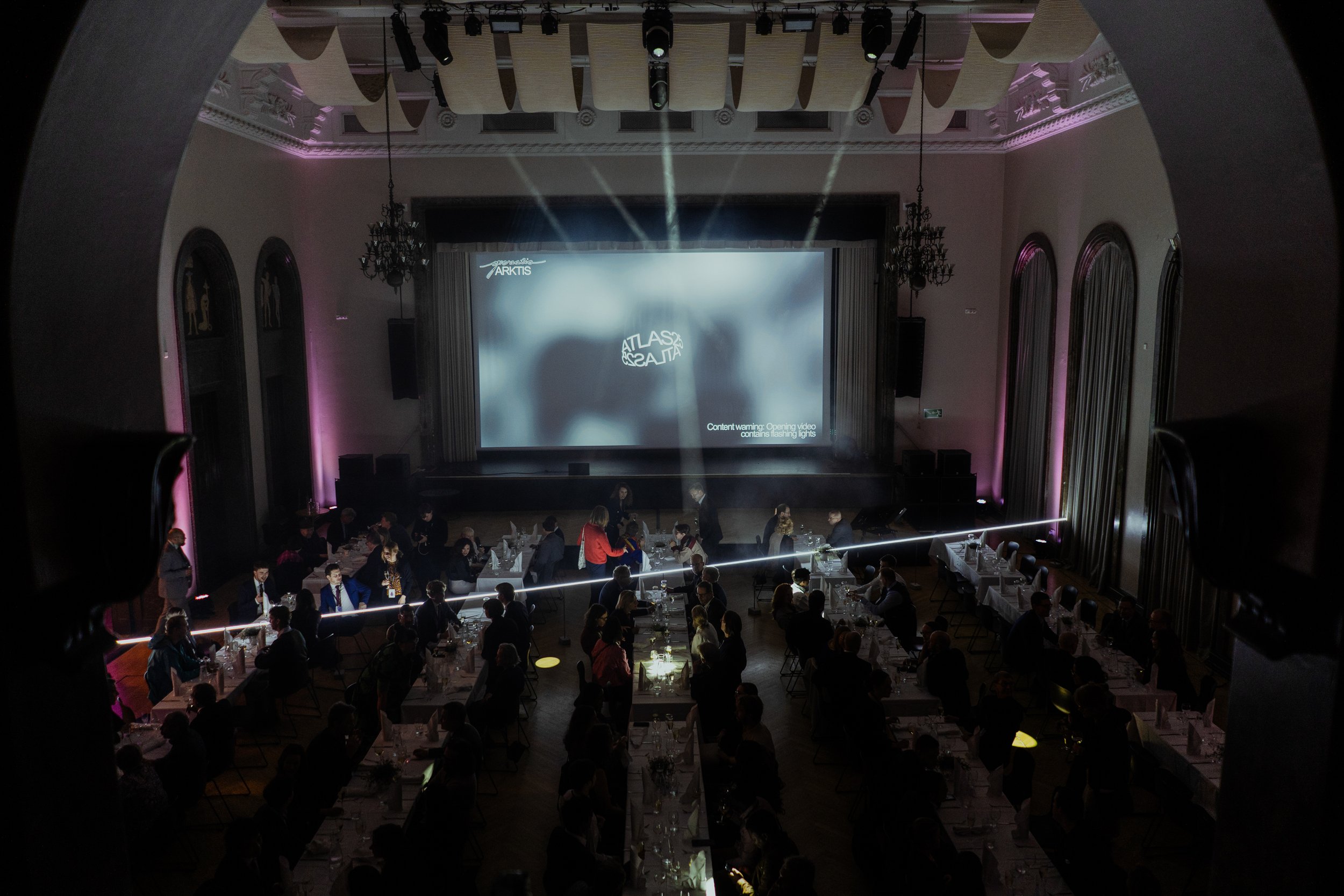
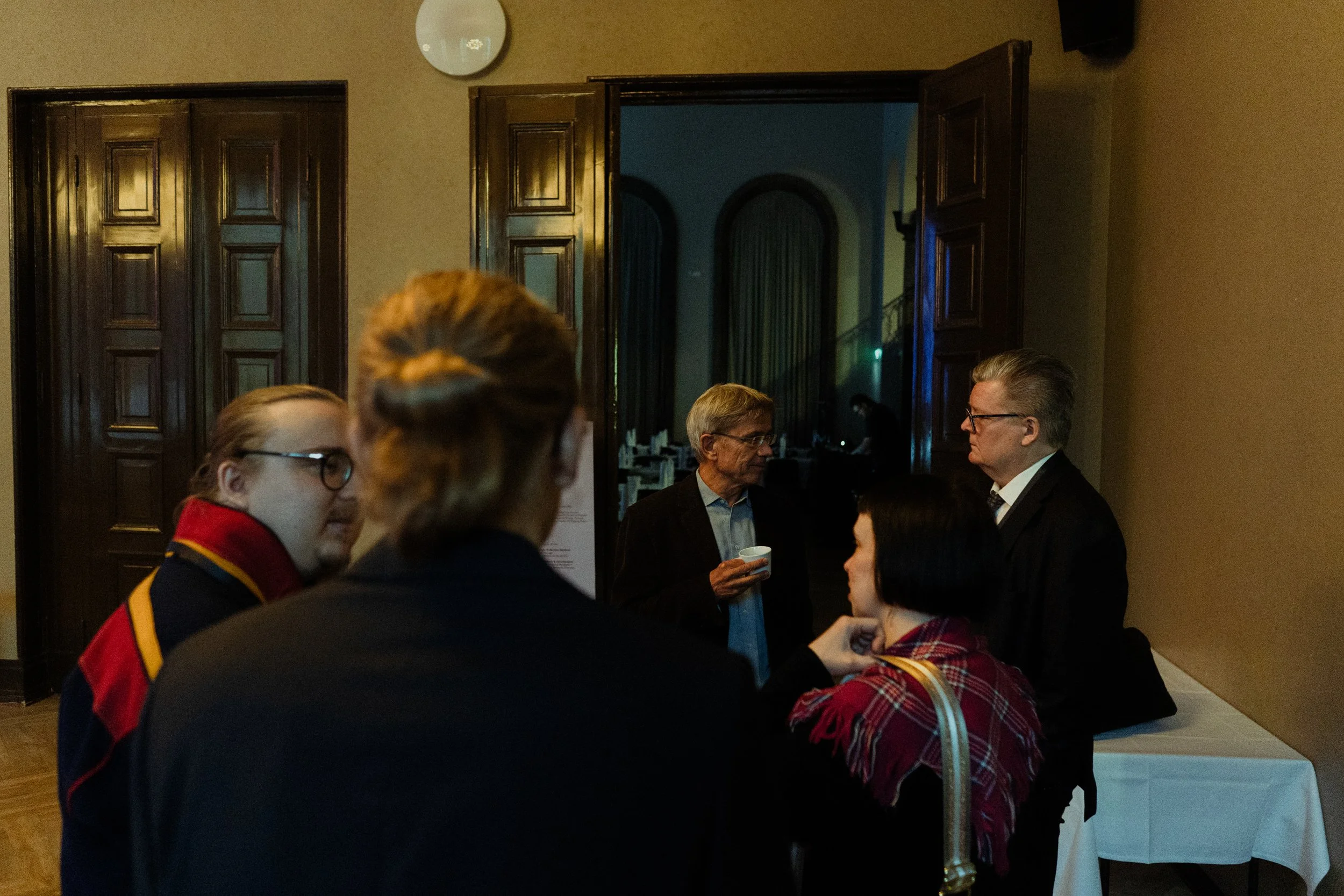
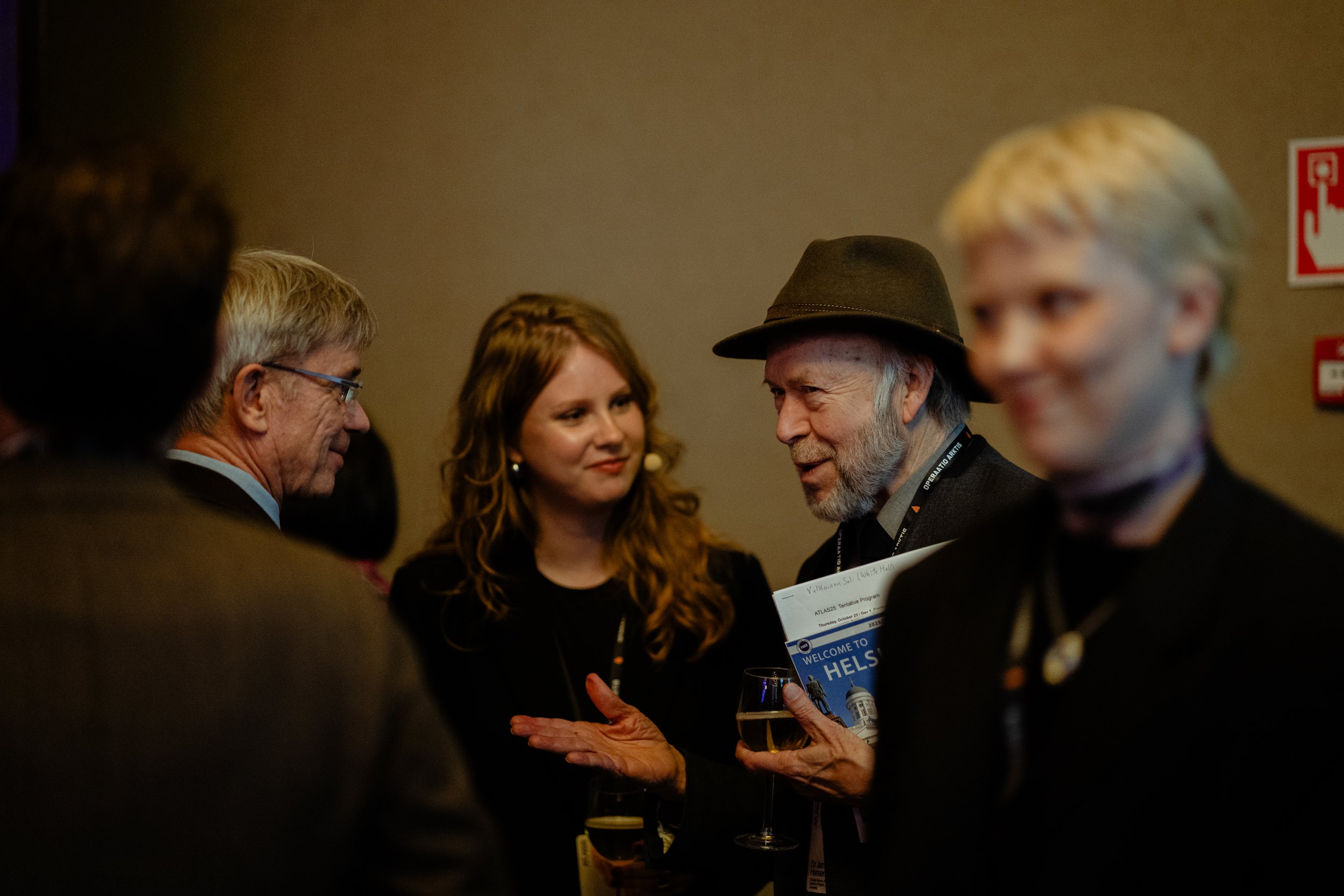
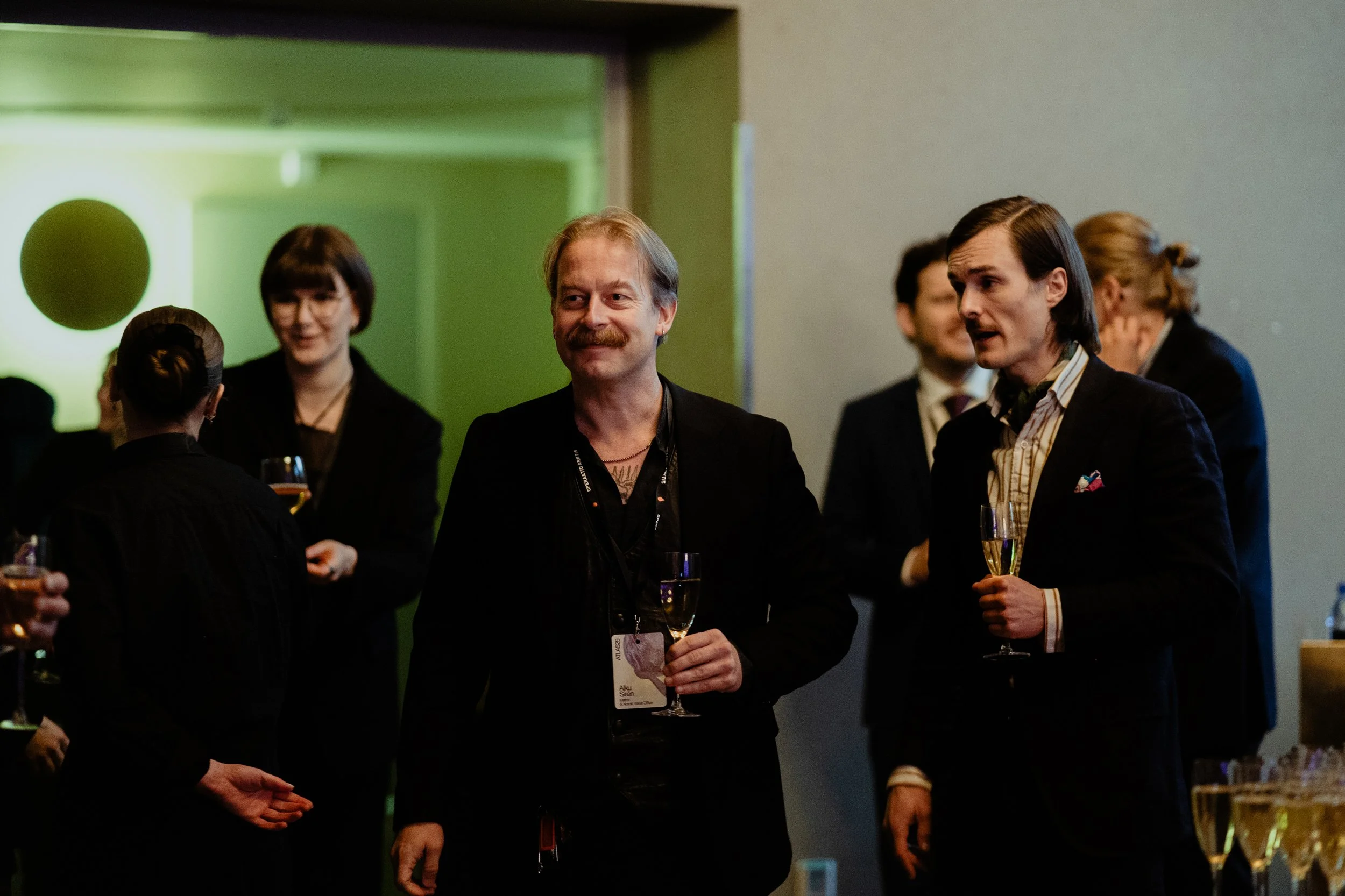
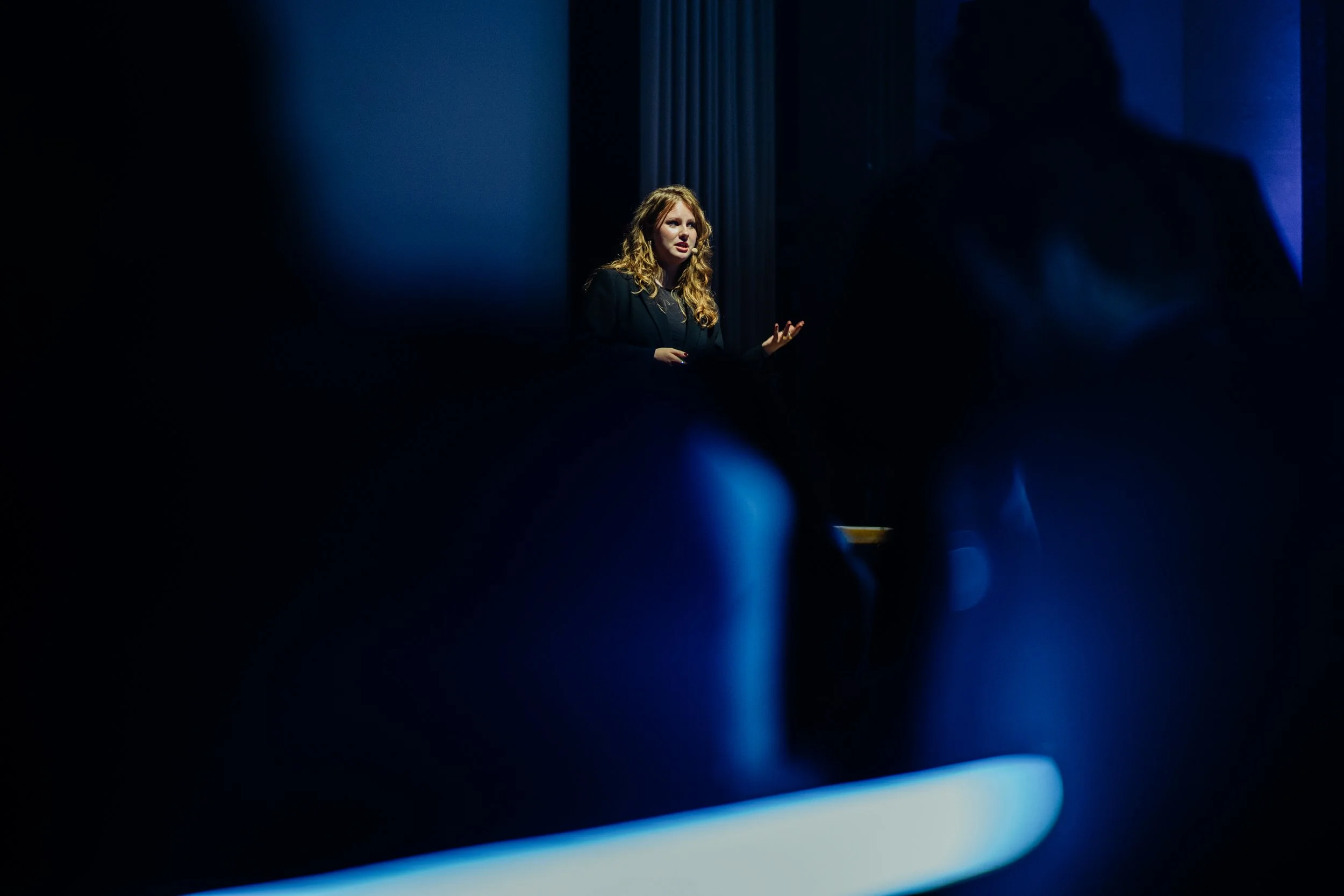
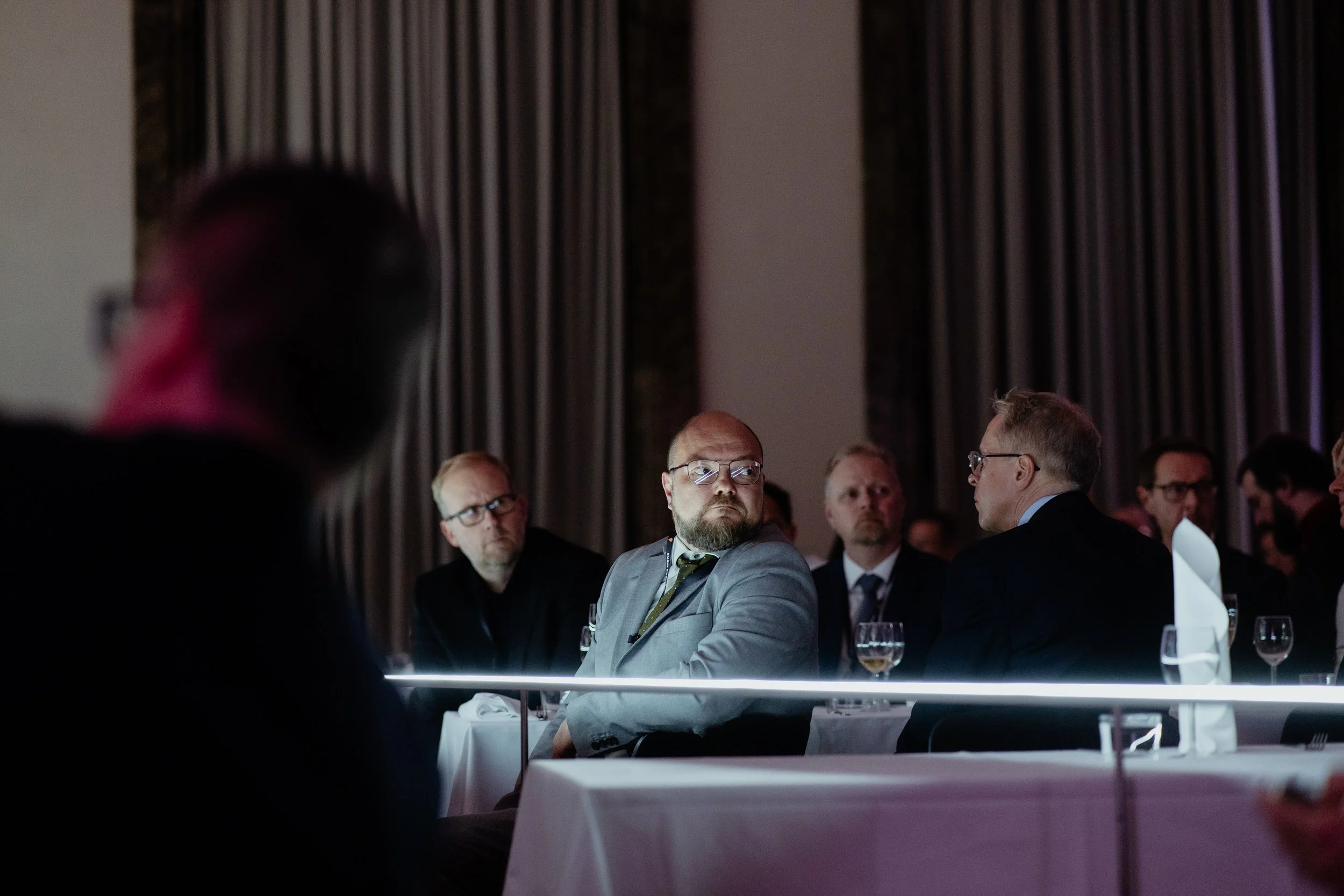
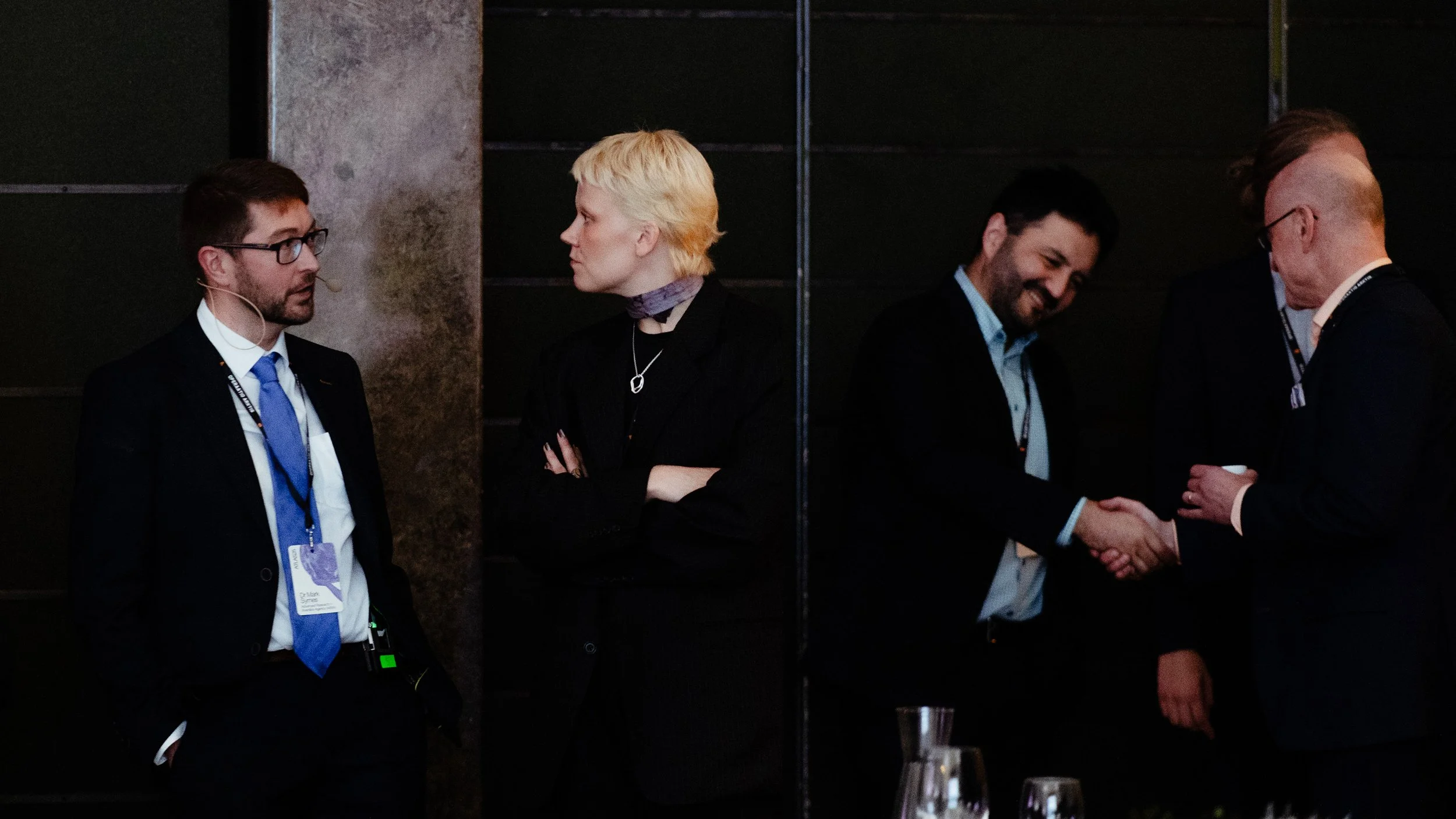
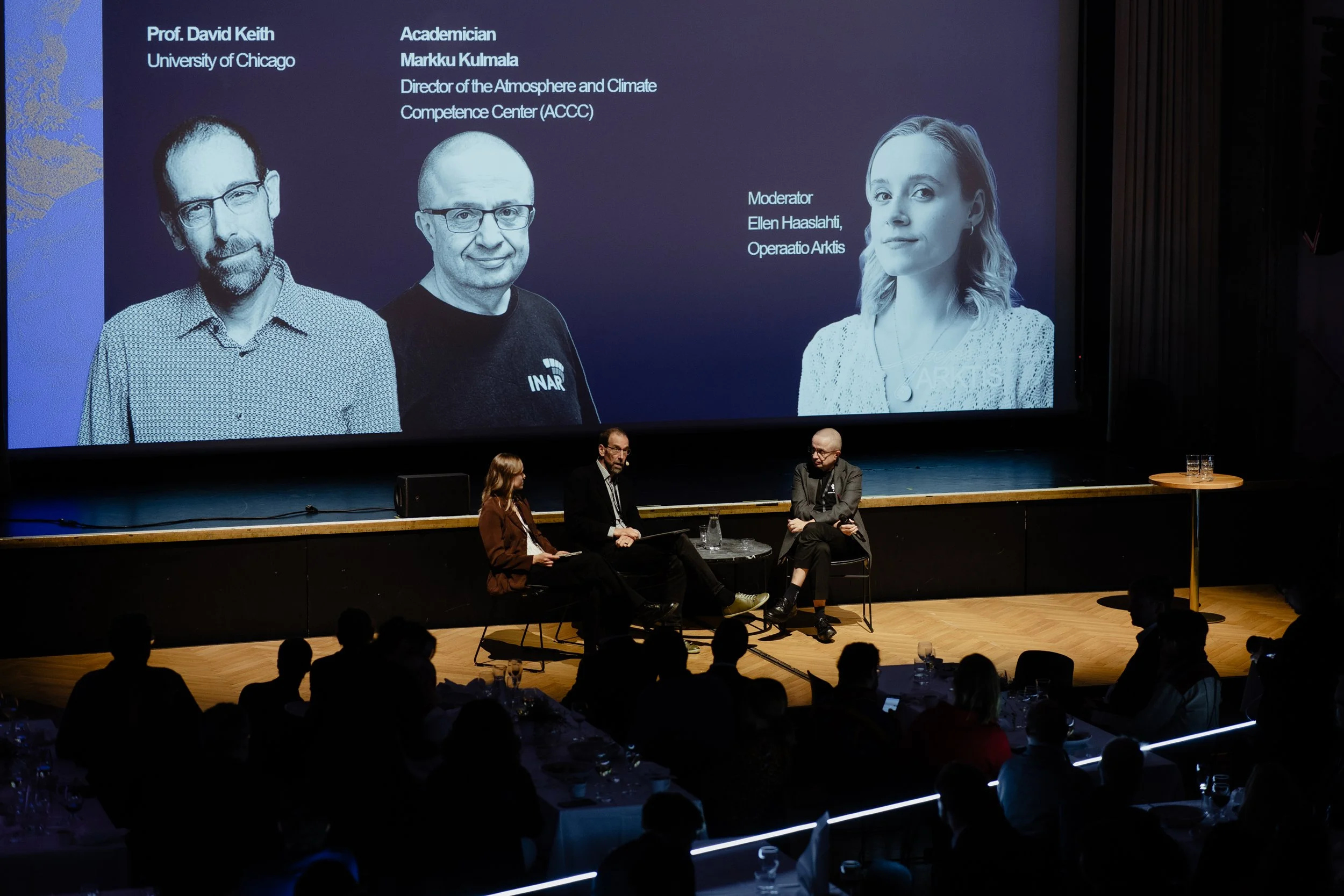
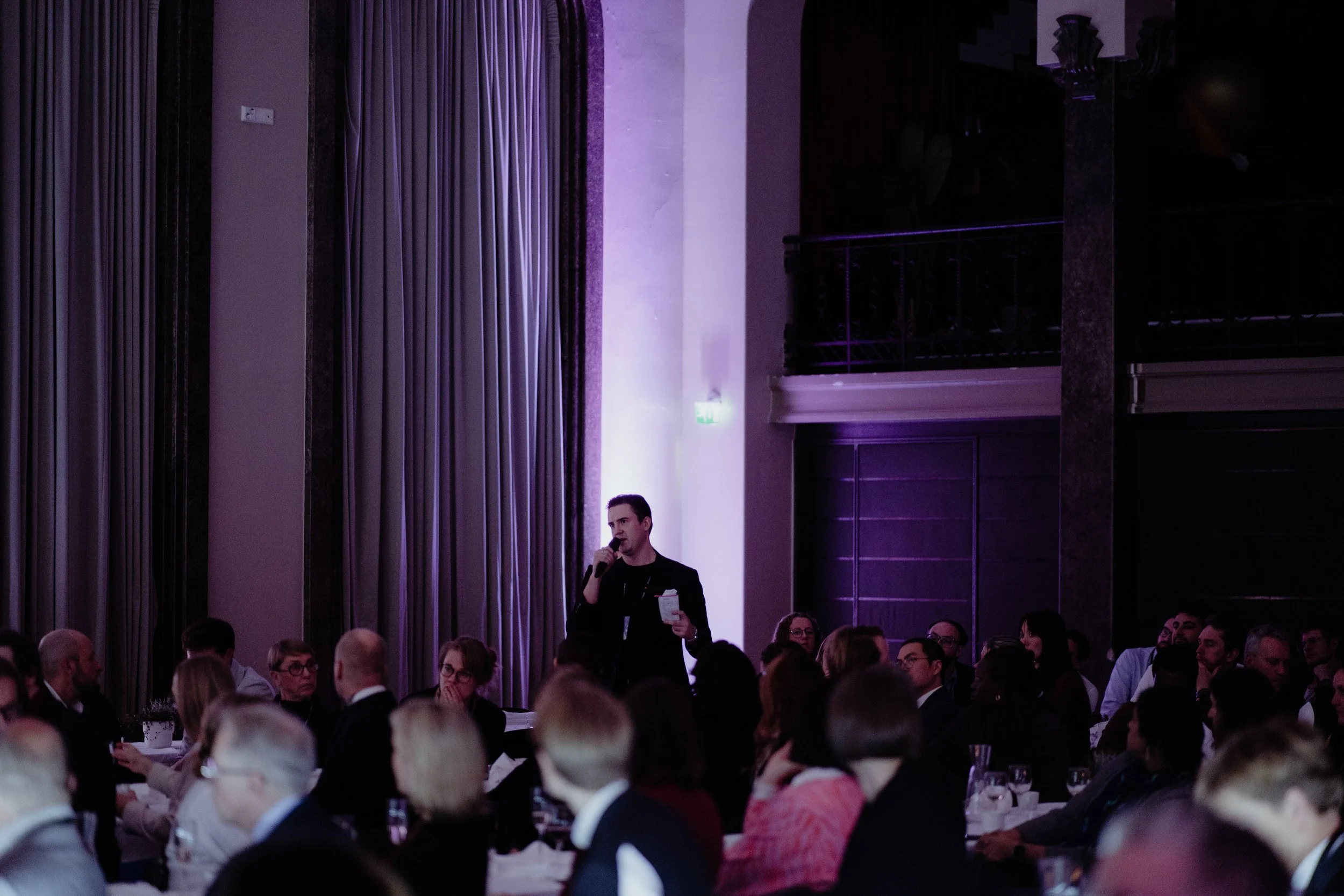
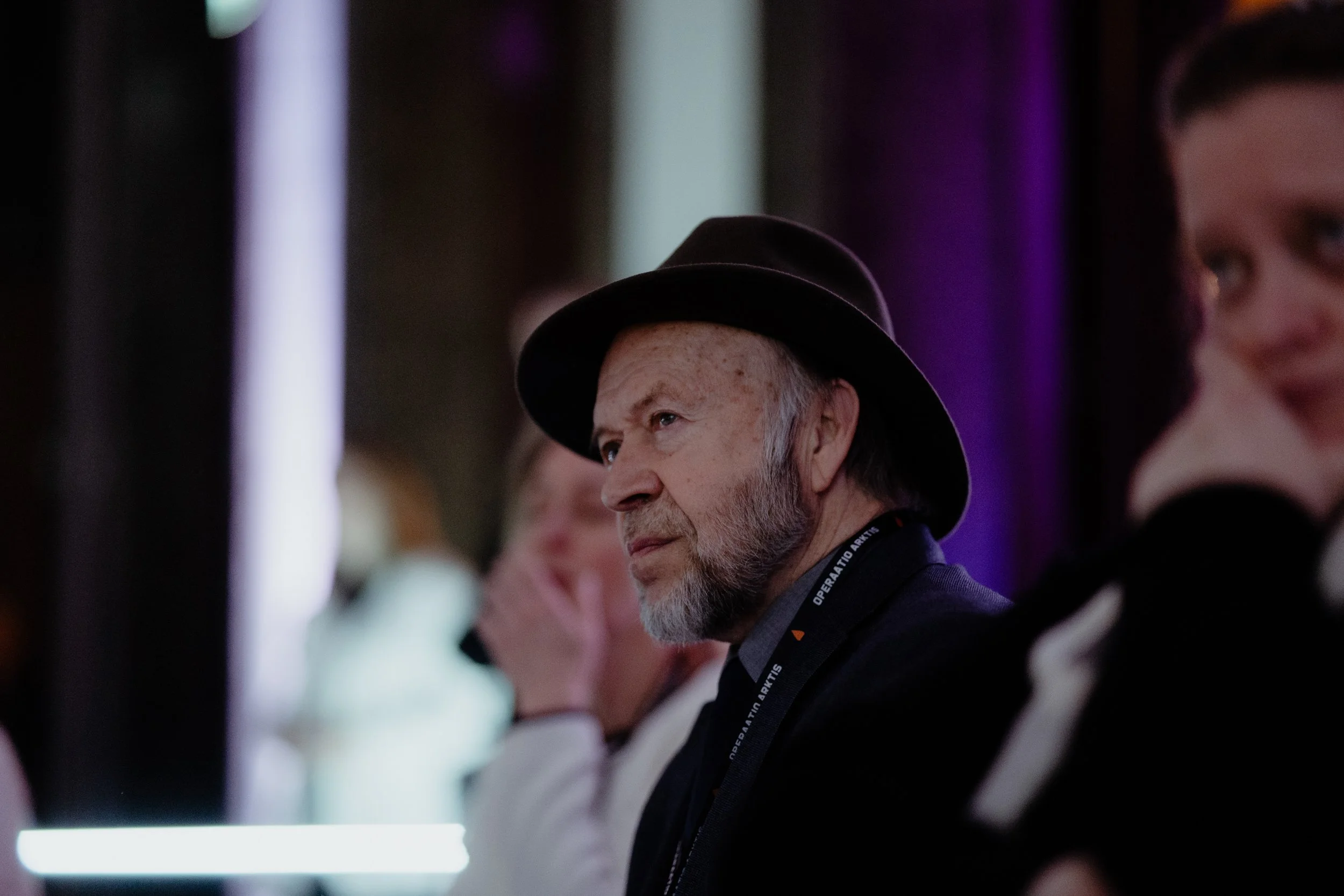
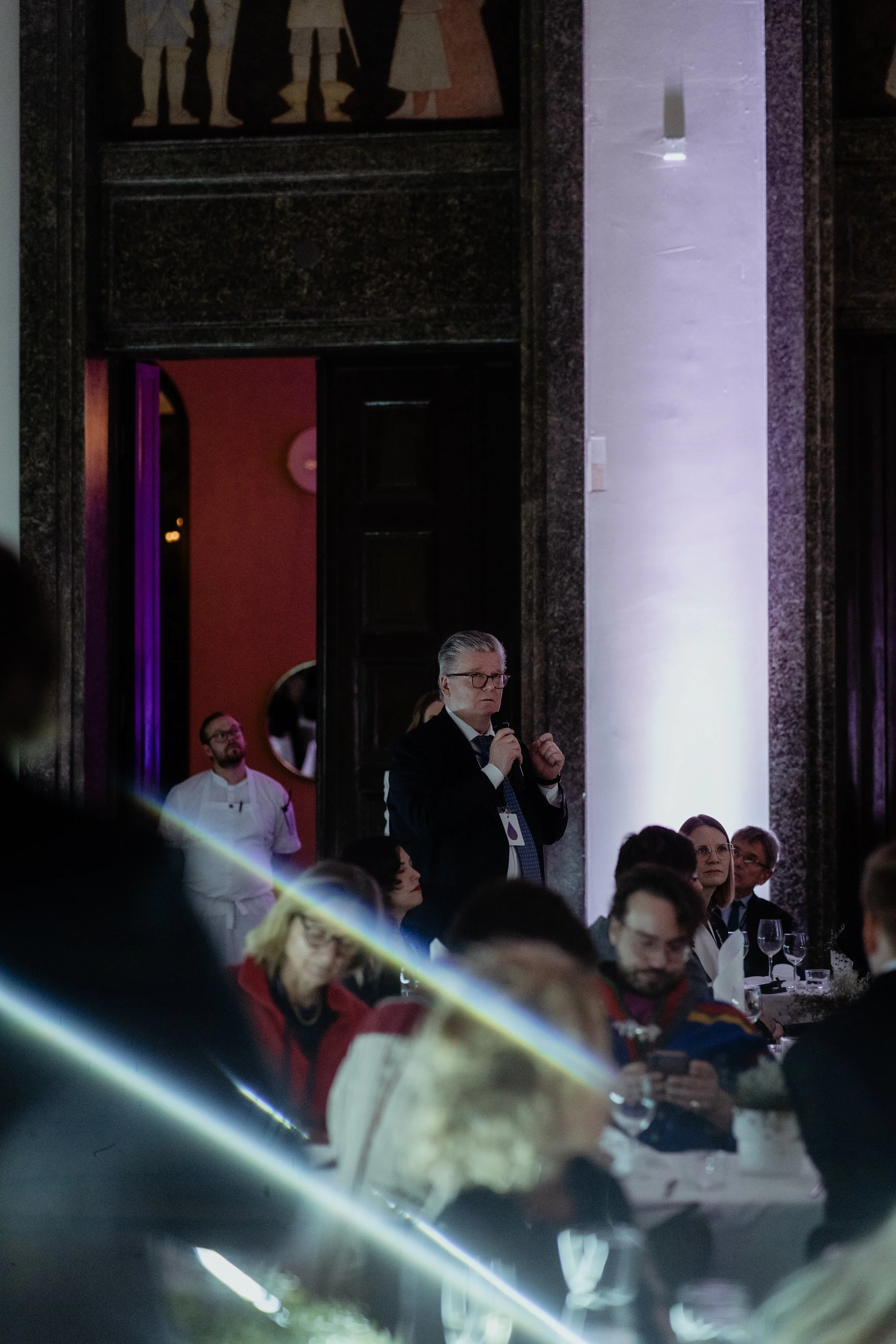
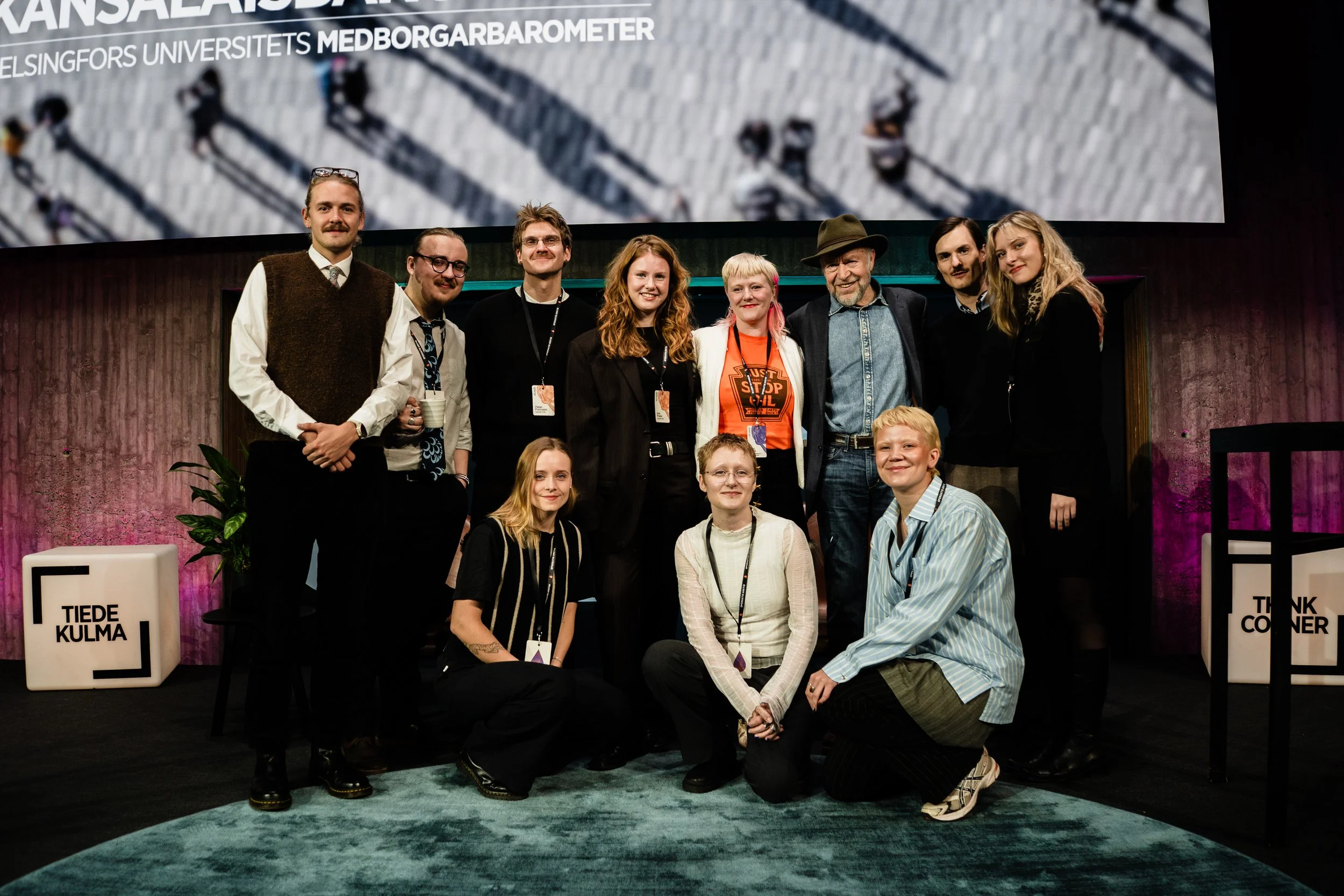
ATLAS25 was organised to bridge scientific understanding on Earth System Tipping Points (ESTP) with strategic policy-making including approaches to climate intervention research. The aim was to elevate Nordic leadership and cooperation in ESTP risk management as an issue of comprehensive security. While this was an ambitious undertaking, we made important progress. The conference drew 143 participants, with 215 attending the Think Corner session and hundreds viewing the livestream. The recording of this session has already sparked wide discussion. Media coverage on ATLAS25, our speakers and messages has had a reach of millions of people through major news outlets like Helsingin Sanomat, Yle news, MTV news, Hufvudstadsbladet, and Uusi Juttu, bringing critical understanding of Earth System Tipping Points to wider public attention. Engaging policymakers more widely in addressing ESTPs requires continuous efforts, although the widespread media coverage has sparked discourse among many policy-makers.
The Plan:
Prevention and precaution. We have to get temperatures back down below 1,5 degrees of average global warming by accelerating decarbonisation efforts such as:
A. Mandate fossil fuel phase out by pricing carbon and removing subsidies for fossil fuels to tackle their growth while we focus on electrification.
B. Emphasize energy and water use efficiency – not just building new but changing the whole energy system and our consumption.
C. Invest in high-hanging fruits: we need carbon removal at scale.
D. Protect ecosystems such as old forests which provide carbon sinks, resilience and continuity for livelihoods.
Scale up Nordic preparedness and multidisciplinary foresight work to address non-linear threats posed by ESTPs.
The comprehensive security and adaptation frameworks in the Nordics must be developed further to a) evaluate ESTPs impacts across all sectors and b) deal with systemic, continuous change in a more future-oriented way. Democratic societies like the Nordic countries must demonstrate leadership by remaining active forces despite profound uncertainty.
3. Expand the Toolkit:
Include careful assessment of climate interventions such as Sunlight Reflection Methods (SRM). For example, Marine Cloud Brightening (MCB) has been studied as a potential way to provide cooling for coral reefs. At the same time, “any potential decision on SRM should be driven by a holistic, systemic consideration of its risks and benefits, not its presumed efficacy for one particular tipping element” as stated in the Global Tipping Point Report. While the deployment of SRM is critically premature and contested, we must work together to:
A. Develop effective governance. Currently, we lack international regulation for SRM, which is problematic given the unequal distribution of capacity in the world.
B. Support responsible research on the benefits and risks of SRM. Elevate research efforts which follow the principle of Free, Prior and Informed Consent (FPIC) and co-create projects in a way that serves stakeholders and public interest.
C. Engage and communicate with a broad range of stakeholders about the potential risks, benefits, and distributional effects of SRM. Create space for critical and also principle-based conversations.
We're committed to continuing this crucial work and building on the momentum created at ATLAS25. We’ll be working together with a range of experts, researchers, organisations and stakeholders to bring an actionable plan to our decisionmakers – stay tuned.
Warmest thanks to all our participants, staff, artists Timo Aho and Pekka Niittyvirta for their powerful visualization, and especially to our distinguished speakers who shared their invaluable expertise. This convening would not have been possible without the support of our funders: Kone Foundation, The Maj and Tor Nessling Foundation, The Navigation Fund, LAD Climate Fund, and Renaissance Philanthropy.
It was an honor to work together also with our partners The Atmospheric and Climate Competence Center (ACCC), and NUOLI – the Young People’s Climate and Nature Group under the Prime Minister’s Office.


Event producers: Operaatio Arktis - Anni Pokela, Ellen Haaslahti, Hanna Antikainen
Communications: Pietari Purovaara
Graphic design: Lotta Hagelin, Saana Ott
Photography: Vilma Norokorpi
Videography: Ainu Kyrönseppä, Anton Baer
Film edit: Ainu Kyrönseppä